Articles About Criminal Procedure & Evidence

What Happens When The Police Breach Your Rights?
When state conduct breaches Charter rights, a court may grant an appropriate remedy under section 24(1), including a stay in…
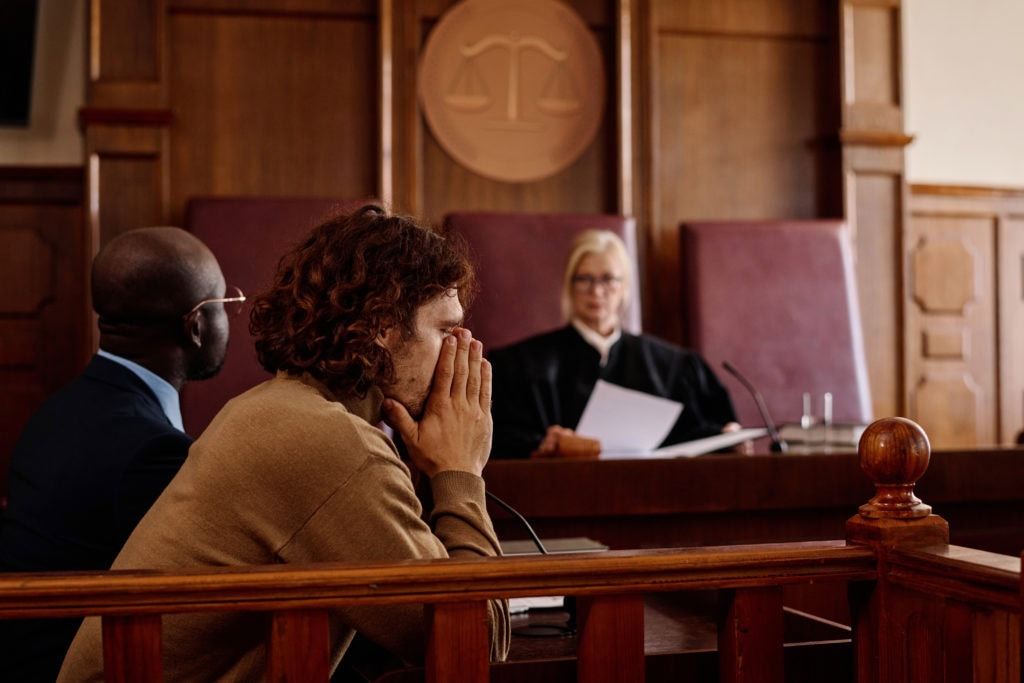
When Can Witnesses Give Opinion Evidence at a Criminal Trial?
Opinion evidence is generally inadmissible. A lay witness may give common-knowledge opinions as shorthand for observed facts, such as intoxication,…

How Formal Admissions Work in Canadian Criminal Trials
Under section 655, an accused may formally admit a fact alleged by the prosecution, making the admission proof and relieving…

What is Hearsay Evidence?
Hearsay is an out-of-court statement offered to prove the truth of its contents and is generally inadmissible because the speaker…

Understanding The Canadian Jury System
A Canadian criminal jury is an impartial body of ordinary citizens that determines guilt or innocence from the evidence presented…

Do I Have To Pay The Criminal Injury Compensation Board’s Award Of Financial Compensation?
The provincial government, not the alleged offender, pays a Criminal Injuries Compensation Board award to the applicant. The Board may…

What is a Crown Pre-Trial?
A Crown pre-trial, or Crown Resolution Meeting, is an informal post-disclosure discussion between defence counsel and the Crown. It addresses…

The R. v. Jordan Effect: Impact and Implications on Canadian Criminal Justice System
R. v. Jordan established presumptive ceilings of 18 months from charge to trial in provincial court without a preliminary inquiry…
How Can I Appeal a Finding of Guilt For a Criminal Offence?
A person found guilty may appeal the conviction, sentence, or both, asking a higher court to review the trial. Summary…