

Articles About Criminal Procedure & Evidence

What Is the Diversion Program in Ontario?
Ontario diversion, or direct accountability, voluntarily resolves eligible minor charges without trial or a guilty plea. The Crown alone decides…
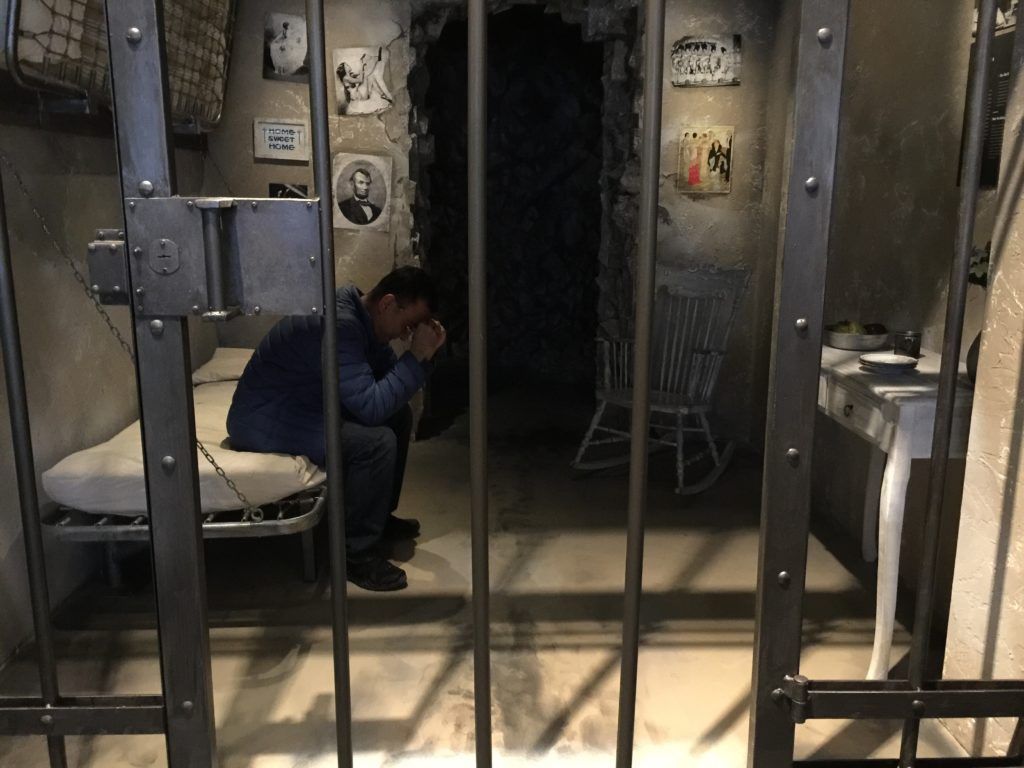
Can a Confession Lead to a Conviction?
A confession need not expressly admit guilt to support conviction. Before admitting a statement to a person in authority, the…

Can a Person With a Criminal Record Act as a Surety?
A criminal record does not automatically disqualify someone from acting as a surety, but the court will scrutinize it when…

Is it a Crime to Avoid Jury Duty?
Ignoring jury duty can be an offence. A person summoned must attend at the directed time and place or provide…

Understanding Wiretap Procedures and Legal Implications
A wiretap is any concealed listening or recording device used to intercept private communications. Police must first obtain a wiretap…

Navigating Diversion Programs in Criminal Cases
Diversion, or direct accountability, is a voluntary alternative generally offered to eligible first-time, non-serious offenders. Only the Crown determines eligibility,…
Understanding Character Evidence in Criminal Trials
Character evidence concerns a person’s disposition or propensity to act in a particular way. The Crown generally cannot introduce evidence…

The Tertiary Ground: When Courts Deny Bail to Protect Public Confidence
A court may deny bail on the tertiary ground when release would undermine public confidence in the administration of justice.…

Distinguishing Hybrid and Indictable Offences
An indictable offence is prosecuted using the more serious procedure and generally carries greater penalties; a hybrid offence lets the…